What Is Corporate Identity? 7 Steps to Building a Strong Brand Identity
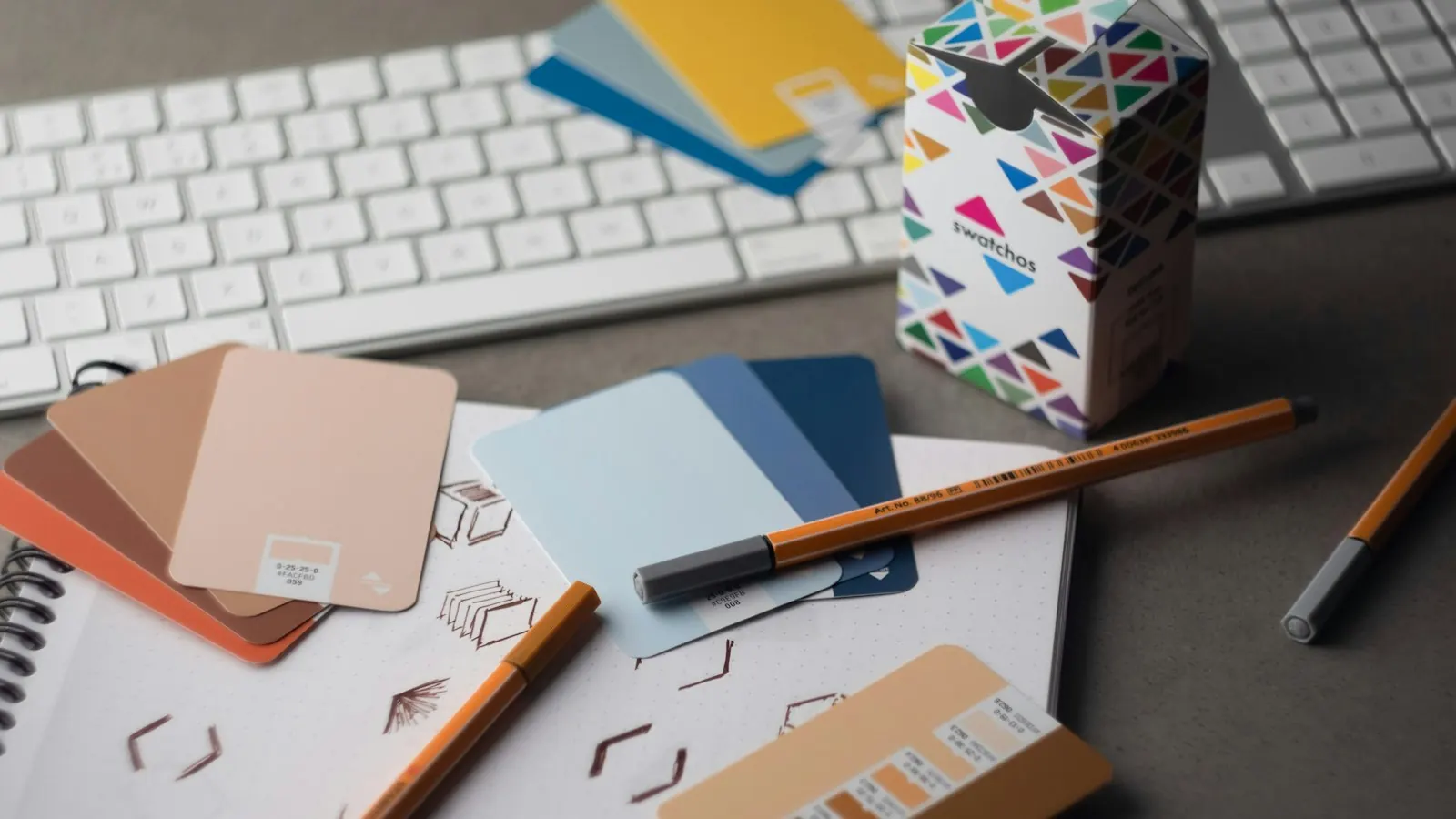
What is corporate identity, what does it include and how do you build one? A 7-step guide from logo and colour palette to typography and brand voice.
When you see a brand for the first time, what stays with you is rarely a sentence. It is a colour, a letterform, a symbol or a tone of voice. Corporate identity is the practice of designing those impressions deliberately and consistently instead of leaving them to chance. In this article we explain what corporate identity is, what it includes and how you can build one for your brand, step by step.
What is corporate identity?
Corporate identity is the full set of visual and verbal elements that define how a brand presents itself to the world. The logo is only one part of it. The colour palette, typography, icon and visual language, photography style, brand voice and the rules for using all of these are part of corporate identity too.
Two concepts are often confused:
- Brand identity is how a brand wants to look and be perceived. You design it.
- Brand image is how people actually perceive your brand. Your customers decide it.
A good corporate identity closes the gap between the two. What you promise is what people see.
Why does corporate identity matter so much?
A consistent identity lets your brand speak like the same person at every touchpoint. When your Instagram posts, website, packaging and business cards all tell the same story:
- Recognition grows. People know a piece of content is yours before they even see the logo.
- Trust builds. A careful, consistent look signals professionalism and continuity.
- Perceived value rises. Brands with strong identities sell on value, not just on price.
- Your team moves faster. Producing content and design is far easier for a brand with clear rules.
7 steps to building a strong corporate identity
1. Define the essence of your brand
Before you design anything, answer a few basic questions: Why do you exist? Who do you serve? What sets you apart from competitors? The answers reveal your mission, vision and values. Visual identity should be built on that foundation; otherwise it becomes a beautiful but empty shell.
2. Analyse your audience and competitors
Your identity should speak the language of the people you want to reach. Understand your audience's age, habits and expectations. Then look at how your competitors present themselves. The goal is not to copy them but to see the visual patterns of your industry and find where you can stand out.
3. Design a memorable logo
A good logo is simple, original, scalable and timeless. It must stay legible on an app icon and on a building sign. Remember to prepare horizontal, vertical and symbol-only versions, plus variations for light and dark backgrounds.
4. Choose your colour palette deliberately
Colours trigger emotions and make your brand instantly recognisable. A main colour, one or two supporting colours and a set of neutrals is usually enough. Define each colour for print (CMYK, Pantone) and screen (RGB, HEX). Seeing the same colour on screen and on paper is the most basic condition of consistency.
5. Set your typography
Typefaces carry your brand's tone of voice visually. A characterful family for headings and a highly legible one for body text is a good start. Make sure your fonts fully support the languages you work in and are licensed for web use.
6. Build your brand voice and visual language
If your brand could talk, how would it sound? Friendly, corporate, witty? Using the same tone everywhere, from social captions to customer service replies, forms the verbal side of your identity. Add a photography style, an illustration language and an icon set to that.
7. Create a brand guidelines document
Collect all these decisions in a brand book. It should cover correct and incorrect logo use, colour codes, the type hierarchy, spacing rules and example applications. That way your agency, your team or a new supplier can use your brand with the same care every time.
What does a corporate identity kit include?
It depends on your needs, but a typical kit includes:
- The logo and its variations
- Business cards, letterheads, envelopes and folders
- Email signatures and presentation templates
- Social media profile and post templates
- Packaging, labels and signage
- Brand guidelines
The most common corporate identity mistakes
- Focusing only on the logo. A logo alone is not an identity; without a supporting system its impact is limited.
- Chasing trends. A style that is fashionable today can look dated in two years. Aim for timelessness.
- Inconsistent use. When every department uses the logo in a different colour, years of investment are wasted.
- Skipping the guidelines. If the rules are not written down, everyone eventually makes their own interpretation.
Conclusion
Corporate identity is the visible face and recognisable voice of your brand. Built well, it becomes an investment that serves you for years. Start by clarifying your brand's essence, build the visual system on top of it and protect everything with a guidelines document.
If you want to create an identity from scratch or refresh your current one, take a look at our graphic design and corporate identity services or browse corporate identity projects we have delivered.